


How to Choose the Right Hair Oil for Your Hair & Scalp Type
| Estimated reading time – 6 minutes |
As a desi kid, hair oiling isn’t something new for me. My mom has probably been oiling my hair since the day it grew. To be very honest, I was never a fan of it. I mean, who even likes greasy hair?! And it’s not like she put the enough amount; it always had to be half the bottle! If you grew up in a brown household, you know the deal (eye roll)! It was a Sunday ritual. Every Sunday morning, I used to wash my hair, and every Sunday night, my mom used to empty the oil bottle by pouring it into my hair. And I had to stay with that oil in my hair for the whole week, right till the next Sunday morning when I’d wash and shampoo it off. So naturally, after school ended, I took charge and stopped making my hair greasy. I only oiled my hair once a month or so, and that too just the night before my hair-wash day. And let me tell you, that was the WORST decision of my life!
If you are wondering why, then continue reading this blog to find out!

Table of Contents: |
Why Is Personalised Hair Care Essential?
So first things first, this, as in hair oiling, is the one thing where my (and your) mom is not 100% but actually 200% right (the exaggeration will soon make sense; stay with me).
The thing is, when my mom used to oil my hair, properly massage it, and let it stay for a week, I used to think it was sheer stupidity, but it wasn’t! I remember my school days were the last time I had long, thick, and shiny hair! The moment I stopped listening to my mom and went against her will, my hair became dry and brittle, and it was a whole task to make it grow.
After years of struggling with this, I learnt my lesson and started oiling my hair more often. I truly understood about hibiscus oil benefits for hair.
But just because this worked for me doesn’t mean it might work for you as well. Through the anecdote I just shared, I only wanted to make you more aware of the benefits of hair oiling. Just like skincare, haircare also differs from person to person, and it is up to you to create a personalised routine.
For example, using an oil that doesn’t suit your hair type might weigh it down, make it greasy, or worse! It might trigger scalp issues. Whereas, if you understand your hair and scalp properly and accordingly choose the products and follow a consistent routine, you might just end up unlocking your hair’s full potential and have hair better than celebrities!
This is because personalised haircare unlocks hair oiling benefits like enhanced absorption and targets specific concerns such as dryness, hair fall, or dandruff.
Why Do Hair And Scalp Types Matter?
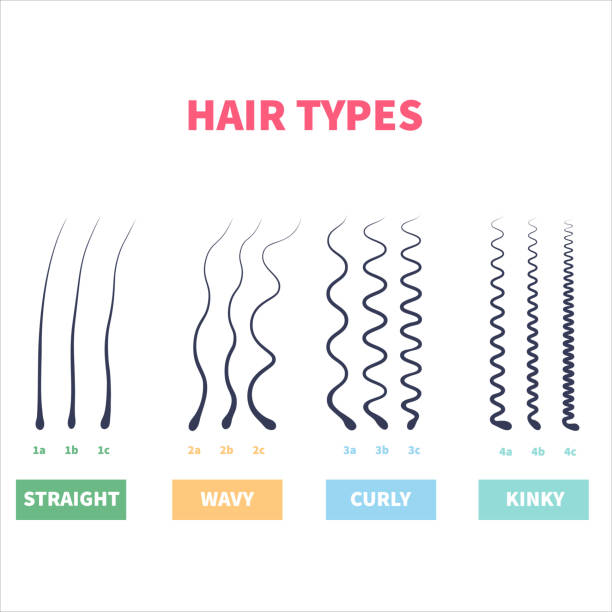
When the discussion comes to selecting hair care products, specifically hair oils, the two factors influencing your choice should be hair texture and the condition of the scalp.
Hair Texture:
-
If you have thin or fine hair, it tends to get greasy quickly and may feel heavy with rich oils.
-
Dry or curly hair often lacks moisture. Thicker and more nourishing oils should be opted for such a hair type.
-
Straight hair requires light hair oils, as it is generally more prone to oil buildup on the scalp.
Scalp Condition:
-
A dry scalp tends to feel tight or itchy and may be flaky.
-
An oily scalp becomes greasy too soon after washing.
-
A sensitive scalp is one that easily reacts to products in ways of showing redness or discomfort.
-
A dandruff-prone scalp requires products with antifungal and soothing properties.

Light Oils vs. Heavy Oils (How to Tell the Difference)
Figuring out oil thickness helps you pick better – so it’s less confusing when deciding
Light oils work well if your hair is thin, greasy, or flat, so go for these when that’s your type as they:
-
Absorb quickly
-
Don’t feel sticky
-
Keep strands light without flattening them
-
Like jojoba, grapeseed or almond
Thick oils work well when your hair’s dry, wavy, or hard to manage, as they:
-
Slide the coating over the hair strand
-
Provide deep nourishment
-
Feel thicker and richer
-
Like coconut, castor and hibiscus oil
Best Oils Based on Hair Type
Since you understand how different hairs and scalps work, picking the right oil becomes simple – this way, your strands get exactly what they need to stay healthy.
-
Dry Hair
-
Coconut Oil: It is rich in fatty acids. It helps to nourish the hair while preventing the loss of protein.
-
Almond Oil: It is lightweight and hydrating. It helps to improve shine and reduce dryness.
Dry hair needs nourishment, and these oils penetrate deeply and help to lock in moisture.
-
Oily Hair
-
Jojoba Oil: It helps to balance the sebum (oil) production in the scalp.
-
Grapeseed Oil: It is light, non-greasy, and hydrating.
Oily hair requires non-comedogenic and balancing oils that don’t clog the scalp.
-
Curly or Frizzy Hair
-
Argan Oil: It is rich in vitamin E and enhances shine while reducing frizz.
-
Bhringraj Oil: It helps to strengthen the hair follicles and add shine.
These oils help to smoothen cuticles and tame flyaways.
Best Oils Based on Scalp Type
Your scalp is the foundation for healthy hair. Hence, treating its specific concerns is essential.
-
Dry or Itchy Scalp
-
Neem Oil: Neem oil fights bacteria or fungi. This can calm itchiness while reducing dry skin flakes.
-
Coconut Oil: It reduces swelling while soothing dry skin gently, so it’s kind on your scalp yet effective at calming irritation; this natural option hydrates without stinging or discomfort.
A dry scalp needs hydration, and an itchy scalp needs soothing.
-
Oily Scalp
-
Tea Tree Oil: It is antiseptic and cooling in nature. It combats excess oil and buildup.
-
Lemon Oil: It is clarifying in nature. It removes residue and fortifies the scalp.
An oily scalp requires oils that refresh and balance sebum.
-
Dandruff-Prone Scalp
-
Bhringraj Oil: It reduces itchiness and prevents flakiness.
-
Rosemary Oil: It improves circulation and controls microbial growth.
Oils with antifungal and anti-inflammatory properties are best suited for a dandruff-prone scalp.
How to Test Oil Compatibility?
Before fully incorporating any new oil into your routine, it’s wise to check for compatibility.
-
Patch Test: Apply a small amount of oil behind your ear or on your inner arm. Monitor the same for at least 24 hours for any redness, itching, or irritation.
-
First-Week Observations: After applying to your scalp and hair, note any changes, whether positive or negative. Excess shedding, itchiness, or greasiness are signs that this oil may not be for you.
Consistency is the key, but so is observation. Give it a week or two and tweak your oiling schedule or choice based on how your scalp and strands respond.

How Often Should You Oil Based on Hair Type?
-
Dry, Curly, or Frizzy Hair: 2-3 times a week
-
Normal Hair: Once a week
-
Oily Scalp or Fine Hair: Once every 10-12 days
-
Dandruff-prone Scalp: Once a week with antifungal oils like tea tree or neem
If you’re specifically using hibiscus oil, 2 times a week is ideal to experience the full hibiscus oil benefits for hair, such as softness, reduced breakage, and improved shine.
Conclusion
So turns out, my (and your) mom was right all along… Don’t tell her I said that!
Anyway, the moral of the story is that understanding your hair and scalp type and choosing products accordingly is the key to levelling up your hair game. The day I mastered it, I said goodbye to dry ends and an itchy scalp.
Sundays are still my hair-oiling days, but unlike before, I actually look forward to it now.
I may have learnt it the hard way, but you shouldn’t. It's not just about hibiscus oil benefits for hair but also about how and what you oil it with. Hair oiling has always been the tradition, but once you choose the right oil according to your hair texture and scalp condition, you end up giving your hair the glow-up that was long overdue.
So go ahead, personalise your hair oiling. Your hair will thank you (and maybe your mom will too)!
Recommended Products by Blue Nectar:
2 comments
About author

Sanjana Tharwani
|
Expertise: Content Writing, Creative Storytelling, Brand Communication Education: BBA, MBA Experience: 3 years |
About reviewer

Kapil Dhameja
|
Expertise: Specialize in Ayurvedic skincare, SEO Specialist, Traditional Wellness Practices Education: B.tech, MBA Experience: 10 years |


This was a fun read, not too lecture kind and very specific and precise. Thanks!
The first half was so relatable 😭 I’m gonna start oiling my hair consistently now. Thank you!!!!!
Leave a comment