


Guide to Types of Soap
| Estimated Reading Time: 6 minutes |
Soap has been used for millennia by humans all around the world to clean their skin. Originally created to get dirt, grease, sweat and bacteria off the body’s surface, it then became more than just a cleaning agent over the years. As we learn more about how to care for our skin and keep it healthy, many types of soap have been created specifically for different types of skin.
Table of Content: |
Therefore it is essential to understand all the different types of soap available today. Soaps can be divided into basic categories: traditional soaps, syndet bars, moisturizing bars and shower gels. Using the wrong kind of soap leads to adverse reactions on the skin such as: damage to the skin's natural moisture barrier, dry/irritated skin and acne breakouts. With this guide, you will learn what each type of soap is designed to do and how to choose which one(s) will work best for your individual needs.

Different Types of Soap
1. Traditional Soap (Normal Soap)
Traditional soap is manufactured through a chemical process known as saponification whereby fats or oils react chemically with an alkali, generally, sodium hydroxide.
Ingredients:
Ingredients needed include natural fats or oils (e.g., coconut and palm), NaOH and water.
How it Works:
Soap has two different structures within each molecule; one end will bond to water while the other end will bond to dirt/oil enabling those substances to be washed away.
pH Level:
Traditional soap is alkaline and falls within the pH range of 9-10 (due to presence of NaOH and fats). Therefore, it disrupts the skin’s natural acid mantle (pH ~5.5) as a result of regular usage causing skin dryness or irritation.
Best for:
-
Best suited for normal to oily skin types
-
Occasionally for deep cleansing effect.
2. Syndet Bars (Synthetic Detergent Bars)
Syndet bars are not "real soap", but are made of synthetic surfactants that are designed to be more gentle on the skin compared to soap.
Ingredients:
Synthetic surfactants (sodium cocoyl isethionate, etc.), fatty acids, and mild cleansers
How it works:
They clean like soap, but they are started with a more neutral or similar pH level than human skin which is around pH 5.5-7 and are designed to reduce irritation of the skin.
pH level:
Slightly acidic/neutral (Ph of 5.5-7)
Effects on skin:
Syndet bars are gentler than conventional soap and will help protect the skin's outer layer (barrier) and prevent dry skin.
Best for:
-
Sensitive Skin
-
Dry Skin
-
Acne prone Skin

3. Moisturizing Bars (Beauty Bars)
A moisturizing bar is a combination of soap and moisturizer; it has both cleaning and moisturizing agents mixed together.
Ingredients:
Mild surfactants, glycerin, oil, cream, humectants
How It Works:
Cleanses the skin while replenishing moisture.
pH Level:
Closer to a neutral pH (6-7) which is good for the skin
Effect on Skin:
Less drying than regular soap and helps retain moisture.
Best For:
-
Dry Skin
-
Combination Skin
-
Daily Gentle Cleansing
4. Shower Gels / Body Washes
Liquid cleansers known as shower gels typically use mild surfactant action to help provide additional skin benefits.
Ingredients:
Water, surfactants, mild surfactants, moisturizer-like agents (humectants), perfumes, and sometimes an active ingredient such as Salicylic acid or Niacinamide.
How it works:
Will produce lather to remove dirt and oil without harshly stripping skin of its natural moisture.
pH Level:
Will typically fall within a balanced 5 – 6 range.
Effective on Skin:
Generally gentle and able to be formulated in different ways to either hydrate (add moisture), exfoliate (sluff off dead skin), or be antibacterial.
Best For:
-
All skin types (depending on formulation)
-
Modern skincare routine

Benefits of Each Type & When to Use Them
The decision of whether to use soap, syndets, or shower gel is primarily determined by your skin type and your way of life. Here are some of the benefits of each type of soap discussed:
-
If you have dry skin, traditional soap can dry out your skin further because of its higher pH. Instead, use moisturizing soaps or hydrating shower gels that contain glycerin or oil.
-
If you have oily skin, traditional soap can be great for removing excess oil from your skin. However, If you use too much traditional soap, you may trigger rebound oil production, so balanced shower gels or mild syndet bars are often better.
-
If you have sensitive skin, there is no better cleansing product than a syndet bar. They are formulated to reduce irritation and keep your skin's natural barrier intact.
-
If you have acne-prone skin, using a syndet bar or a medicated shower gel containing active ingredients like salicylic acid will allow you to cleanse without further irritating your skin.
In your daily routine, you would:
-
Use traditional soap if you needed to do some serious cleaning from an excessive amount of sweat
-
Use syndet bars for everyday gentle cleansing
-
Use moisturizing soaps during winter months or if living in arid climates
-
Use shower gels when you want to cleanse yourself in a more personalized and luxurious way
Comparison Table
|
Feature |
Traditional Soap |
Syndet Bar |
Moisturizing Bar |
Shower Gel |
|
Cleansing Strength |
Strong |
Mild |
Mild to moderate |
Moderate |
|
ph level |
Hugh (alkaline) |
skin-friendly |
Near neutral |
skin-friendly |
|
Skin friendliness |
Can be harsh |
Very gentle |
Gentle & hydrating |
Depends on formula |
|
Best for skin type |
Oily |
Sensitive , acne-prone |
Dry , combination |
All skin types |
|
Example usage |
Post-workout deep clean |
Daily face? body wash |
Winter skincare |
Daily shower routine |
FAQs
1. What is the best type of soap for people with sensitive skin?
The best soap for people with sensitive skin is the syndet bar, as they help keep the natural pH of the skin while reducing irritation.
2. Are shower gels better than soap?
Compared to traditional soap, shower gels are usually milder and more versatile, thus making them better suited for use on a daily basis and for keeping the skin moisturized.
3. What is a syndet bar?
A syndet bar is a detergent-based bar that is made to look like soap but is a milder and gentler product on the skin.

4. Can soap harm the skin barrier?
Yes, traditional soap that has a high pH can disrupt the skin barrier, causing it to become dry and sensitive if used too much.
5. What is the best soap for very dry skin?
Moisturizing bars and hydrating shower gels would be the best options to help maintain moisture on the skin.
6. Syndet vs regular soap: Which is better?
For long term skin health, syndet bars will typically be better for sensitive or very dry skin.
Conclusion
Understanding various forms of soap may help guide you toward better decisions about skin care products. Regular soaps typically have greater cleansing action but can be irritating to the skin, while syndet bars or moisturizing bars are milder, more soothing alternatives to traditional soaps. Shower gels allow for flexibility and convenience in a contemporary bathing routine.
A basic guideline:
-
Syndet or moisturizing bars: For dry, sensitive skin
-
Balanced cleanser or occasionally a soap: For oily skin
-
Shower gel or syndet bar: For everyday use
The choice of cleanser is not only based on being clean; it is also about maintaining your skin’s natural balance for longevity.
Recommended Products by Blue Nectar:
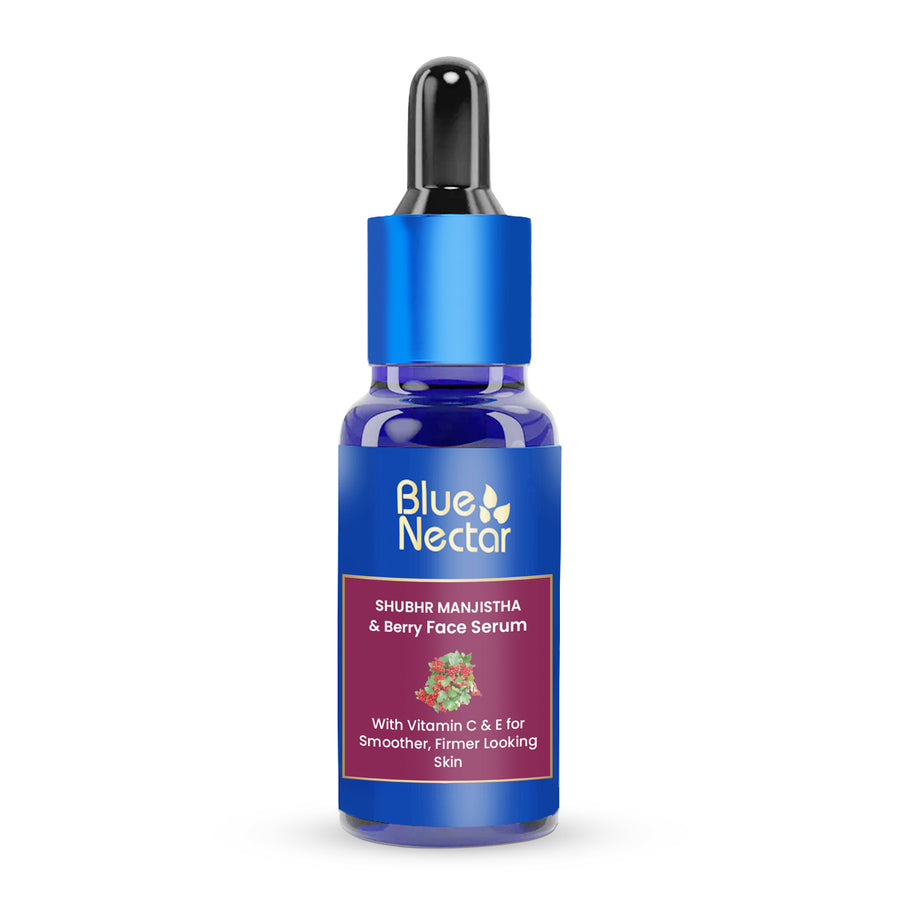
Mridu Snan Baby Soap with Ghee & Coconut Oil for pH Balance| Tear Free Formula (150 g)
Related Articles:
The Evolution of Soap from Ash to Ayurveda: A Complete History of Soap
The Science Behind Soap: How Does Soap Work on Your Skin?
References:
https://pmc.ncbi.nlm.nih.gov/articles/PMC12176228/
https://www.ijcrt.org/papers/IJCRT2406114.pdf
https://pmc.ncbi.nlm.nih.gov/articles/PMC8208277/
https://www.ijrti.org/papers/IJRTI2410002.pdf
https://www.albogroupitaly.com/en/news/different-types-soap/
About author
About reviewer

Kapil Dhameja
|
Expertise: Specialize in Ayurvedic skincare, SEO Specialist, Traditional Wellness Practices Education: B.tech, MBA Experience: 10 years |


Leave a comment