



The Most Luxurious Ancient Bath Rites in the World
| Estimated Reading Time: 9 minutes |
Ancient Secrets of Beauty, Healing and Wellness from Around the World
Before contemporary skincare graced our stores, ancient civilizations had mastered the art of bathing not just as hygiene but as holy ritual, medicine and luxury. From Egyptian queens bathing in warm milk to Indian royals floating on rivers of flowers, these age-old customs carry centuries of wisdom. Science is just beginning to understand what our predecessors already knew. Here are the world’s most amazing ancient bath routines, their traditional origins and why they still belong in your current self-care routine.
Table of Content: |
Egypt: Cleopatra’s Glow Bath Milk and Honey
In ancient Egypt, washing was a spiritual ritual. Cleopatra VII, who had glowing skin, used to take a daily bath in donkey's warm milk with honey, a ritual that was thought to please Hathor, goddess of beauty. Milk was regarded as a sacred substance, a celestial food, and milk baths were accessible only to kings and high priestesses.

The Ritual consisted of
Soak in warm water with 2–3 cups whole milk (or powdered milk), a good spoonful of raw honey, and a few drops of rose or almond oil. Take a 20-30 minute break.
Advantages
Lactic acid in milk removes dead skin cells and promotes cell renewal without rough scrubbing. Honey is a natural humectant; it pulls all that moisture deep into your skin. Together they lighten uneven tone, smooth fine wrinkles, restore elasticity and give skin a beautiful glow. Visible reduction in pigmentation and dullness with regular use.
How to Adopt: Add 2 cups of whole milk and 2 tablespoons of raw honey to a warm bath. Soak for 20 minutes once a week. Do not wash it off to retain the skin-softening residue; softly pat dry.
Japan: Seaweed & Ginger Zen Bath
Ofuro is a Japanese bathing practice that has been around for more than 1,000 years and is based on the Shinto idea that water cleanses the body and soul. Historically, seaweed (kombu and wakame) was harvested by coastal communities, and used in community bathing to prepare warriors and royals for significant events. In Kampo, the traditional Japanese medicine, ginger was prized for its strong capacity to relieve colds and restore vital energy.
The Ritual consisted of
Add a good amount of grated fresh ginger and some dried kombu or wakame to the bathwater. Breathe in deeply via steam and soak for 15 to 20 minutes.
Advantages
Seaweed is full of minerals, containing iodine, magnesium, zinc and vitamins A, C and E all of which can seep into heated, open pores to tighten skin and help stimulate collagen synthesis. Ginger boosts blood flow, breaks down toxins beneath the skin, and produces a subtle warming sensation that helps aching muscles and stiff joints. Together they fight weariness, improve skin tone and encourage lymphatic drainage.

How to Adopt: Steep dried seaweed in boiling water for 5 minutes, then add to your bath with 2 tablespoons of freshly grated ginger wrapped in muslin fabric. Soak for 15-20 minutes. Breathe softly.
Middle East: Mineral Bath of Dead Sea Salt
For nearly 2,000 years, the Dead Sea has been famous for its medicinal waters. It was claimed that Cleopatra herself held the exclusive rights to Dead Sea items. Ancient medics in Egypt, Greece and the Roman Empire recommended its salt-laden coastlines for skin illnesses, joint pain and respiratory ailments. On its banks, King Herod is supposed to have established one of the world's earliest health spas.
The Ritual consisted of
Add 1–2 cups of real Dead Sea salt to a warm bath. Soak 20 min. No soap is needed; the minerals do the trick.
Advantages
Dead Sea salt includes 21 different minerals, magnesium, potassium, calcium and bromine among them, in amounts that can’t be found anywhere else in the world. Magnesium is anti-inflammatory and can help relieve psoriasis and eczema. Bromide is a drug that relaxes the nerves. Potassium balances the hydration of the skin. This bath detoxifies the body, eases arthritis and muscle strain, promotes circulation and significantly softens rough or irritated skin.
How to Adopt: Use real Dead Sea salts (not table salt). Add 1 cup to a warm bath, soak for 20 minutes, and rinse lightly. Afterwards, apply moisturizer straight away for optimum benefits.
Korea: Royal Rice Water Bath
During the Joseon dynasty (1392-1897), court ladies bathed and cleansed their faces with rice water, which was said to make their skin as clear as porcelain. Rice itself was considered sacred, a gift from the gods. Discarding rice water was considered a waste; it was saved and used in intricate beauty procedures passed down from mothers to daughters across centuries.
The Ritual consisted of
Add milky water from washing raw rice after 24 hour fermentation to bath water. Soak in that water for 20 min.
Advantages
The rice water contains inositol (a carbohydrate that restores damaged hair and skin), ferulic acid, allantoin and numerous amino acids. Brightens skin. Reduces dark spots and hyperpigmentation. Tightens pores and enhances skin barrier. Pitera is a naturally occurring chemical rich in vitamins, minerals and amino acids that promotes cell regeneration, producing beautifully glowing skin with continued use. Fermented rice water also includes pitera.
How to Adopt: Soak 1 cup white rice (uncooked) in 2-3 cups water. Reserve the starchy water and add it directly to your bath. Use weekly for beautiful glowing, even toned skin.
India: Ayurvedic Pushpa Snana
In Ayurveda, India’s 5,000-year-old system of natural medicine and holistic healing, bathing is something more than any simple physical contact. Pushpa Snana (flower bathing ritual) mentioned in books like Charaka Samhita, Ashtanga Hridayam etc is a vital part of daily self-care (Dinacharya). Before prayer, royals and temple priests performed elaborate bath rites with rose, jasmine, marigold (genda), neem and sandalwood, before ceremonies and healing. According to Ayurveda, each flower has distinct therapeutic as well as spiritual powers based on their doshas (body constitutions).
In Ayurveda, baths are categorized according to their effects on the three doshas: Vata (air/space), Pitta (fire/water), and Kapha (earth/water).
The Ritual consisted of
Float fresh rose, jasmine and marigold petals in warm (not hot) water. Add few drops of sandalwood or vetiver essential oil. You could add neem leaves optionally for their antimicrobial effects. Soak 20-25 minutes, focusing on thankfulness and calm.

Advantages
Rose petals include natural astringents that tighten the pores and decrease redness. Their pink scent soothes the nervous system directly. Jasmine is an antibacterial and helps to gently cleanse the skin without robbing it of its natural oils. Marigold (calendula) is anti-inflammatory, helps wound healing and soothes sensitive skin disorders such as eczema and dermatitis. Neem is highly antibacterial and antifungal and has traditionally been used to treat acne, rashes and psoriasis. This bath together feeds the mind-body connection at the heart of Ayurvedic practice, lowering cortisol, improving sleep quality, and restoring emotional equilibrium.
How to Adopt: Soak fresh petals in bath water. Add 5 drops of rose or sandalwood essential oil to a warm bath. Close your eyes, take a deep inhale, and let the fragrances transport you to a place of quiet calm. “Use it as part of your weekly self-care routine or before major life events.
Greece: Greek Honey & Olive Oil Bath
Famous for their ritual of anointing the body with olive oil before bathing in communal bathhouses, ancient Greek athletes and aristocracy would strictly scrape the oil from their bodies. Olive oil was worshipped not only as sustenance but also as liquid gold, a miraculous gift from the goddess Athena. Greek physicians such as Hippocrates, the father of medicine, recommended olive oil baths for skin problems, joint inflammation and as anti-aging treatments.
The Ritual consisted of
Add 3-4 teaspoons of extra virgin olive oil and 2 tablespoons of raw honey to warm bath water. Or, apply olive oil straight over wet skin before diving in.
Advantages
It is extremely rich in squalene, oleocanthal (a natural anti-inflammatory), vitamin E and polyphenols. It profoundly hydrates and creates a protective lipid barrier on the surface of the skin. Oleocanthal acts as an anti-inflammatory like ibuprofen; thus, this bath is ideal for joint pain and swelling. Regular baths with olive oil noticeably decrease fine wrinkles, enhance skin suppleness and bring back the natural radiance of even the driest skin types.
How to Adopt: Add 3 tablespoons of extra virgin olive oil to warm bath water with a spoonful of honey. Soak for 20 minutes. The oil sinks smoothly into the skin; pat dry after to seal in moisture.
Turkey: Ottoman Rose & Milk Ritual
The Ottoman court made bathing the most luxurious of pleasures during the reign of Suleiman the Magnificent (1520–1566). The women of the harem were known for their extensive beauty regimens. They bathed in rosewater or milk, shaved their whole bodies, and then gave themselves perfumed oil massages. The most prized flower of the empire for centuries was the Damascus rose (Rosa damascena), grown in Turkey and Bulgaria, its water and petals used in food, medicine, perfumes and holy beauty rites.
The Ritual consisted of
Add 1 cup rosewater and 1 cup whole milk to a warm bath. Sprinkle a handful of dried rose petals over the surface. Soak for 20 minutes.
Advantages
Rose petals and rosewater are rich in antioxidants, vitamin C, and polyphenols, which help protect skin from environmental harm. Rose has a natural astringent quality that tightens pores and minimizes redness. Its rich scent lifts mood, reduces tension and promotes emotional well-being. When mixed with warm milk, the bath offers a two-in-one experience, gently exfoliating while simultaneously moisturizing and calming inflamed skin.
How to Adopt: Add 1 cup rosewater and 1 cup whole milk to a warm bath. Sprinkle dried rose petals over the surface. Dim the lights, turn off your phone, and allow yourself 20 minutes of aromatic meditation. This is your weekly skin and mood ritual.
Conclusion: The Bath as a Sacred Place
In all civilizations, in all times, mankind has realized one basic truth: the bath is much more than washing. It is a rejuvenation. It’s a ceremony. It is an intentional act, a stepping aside from the demands of the world, and a returning for a moment to the hallowed place of one's own body.
Whether you opt for the ayurvedic quiet of flower petals, the mineral might of the Dead Sea, or the meditative simplicity of French lavender, each one of these rituals demands the same of you: your presence, your patience and your readiness to treat yourself as though you were worthy of care.
You don’t have to go to Egypt or Morocco or Japan. So just draw a bath, gather a few simple materials, and remember what our ancestors always knew: that healing begins with water and the peaceful, radical act of tending to yourself.
Fill the bath. Start the ritual. Your old self awaits.
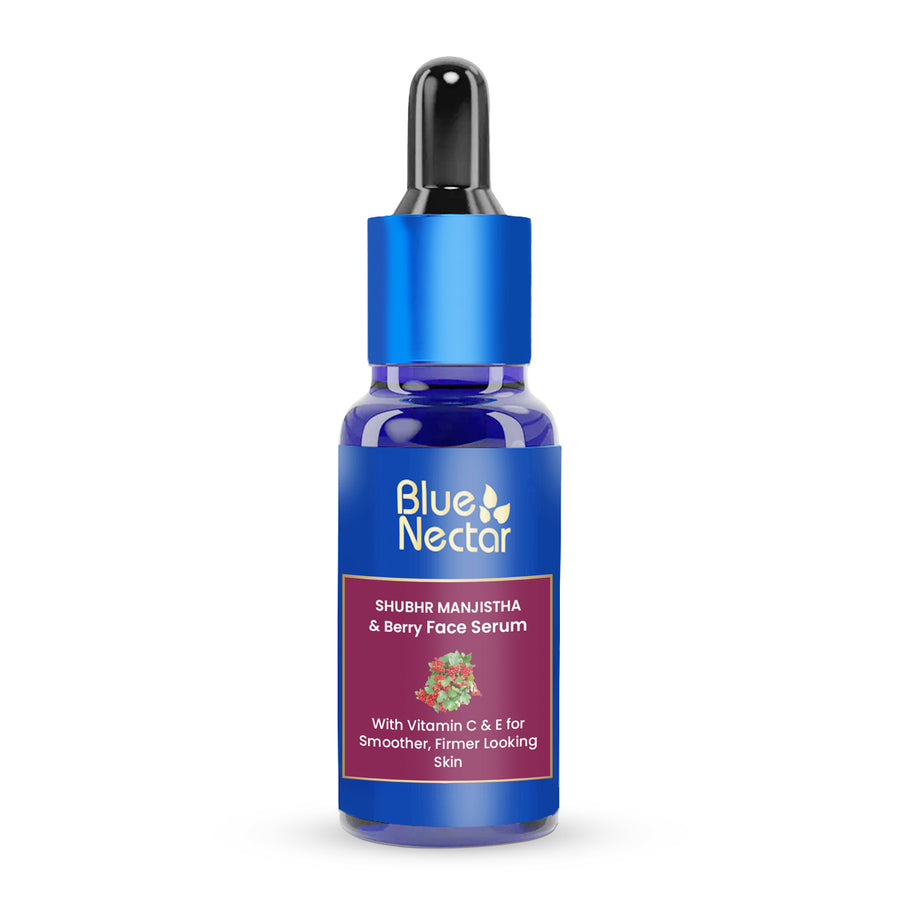
Recommended Products by Blue Nectar:
Mridu Snan with Ghee Soap | pH Balance Soap with Kojic Acid, Glutathione & Glycerin
Related Articles:
The Evolution of Soap from Ash to Ayurveda: A Complete History of Soap
The Science Behind Soap: How Does Soap Work on Your Skin?
Do You Know Facts About Soap? Myths Busted
References:
About author

Nidhi Bisht
|
Expertise: Skincare Enthusiast, Content Writer Education: Bcom honours , MBA Experience: 5 years |
About reviewer

Kapil Dhameja
|
Expertise: Specialize in Ayurvedic skincare, SEO Specialist, Traditional Wellness Practices Education: B.tech, MBA Experience: 10 years |


Leave a comment